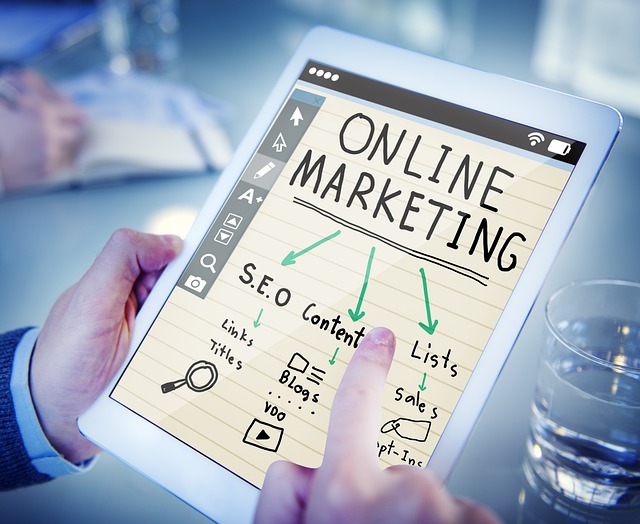
In competitive real estate, unique branding through design and consistent messaging build trust and attract clients. Emphasize lifestyle, use visual elements, align with demographics, and refresh branding to stand out. A cohesive brand image, including logo, colors, and tone, creates a differentiated identity that fosters connections and positions agencies as innovative and reliable. This strategy enhances brand reputation, retaining customers who value consistency.
In today’s competitive market, real estate professionals must stand out to capture the attention of clients. Effective branding has become an indispensable tool for success, allowing agents to carve out their unique identity and build trust with potential customers. However, navigating the landscape of exclusive branding can be daunting. This article delves into the significance of exclusive branding in real estate, addressing common challenges and offering practical strategies to elevate your brand’s appeal, set you apart from competitors, and ultimately drive business growth.
Crafting Unique Branding for Real Estate Standout
In the competitive real estate market, standing out from the crowd is essential to capture potential buyers’ attention. Crafting unique branding for your property listings or development projects can significantly enhance your appeal and create a lasting impression. Exclusive, tailored branding goes beyond mere aesthetics; it tells a compelling story that resonates with clients, setting you apart from competitors.
Consider the power of differentiation in a saturated market. A study by Brand Finance found that strong brand identities can increase property values by up to 20%. By creating an exclusive brand for your real estate ventures, you’re not just selling a location or structure; you’re offering a lifestyle and an experience. For instance, luxury real estate developers often employ branding strategies that emphasize the exclusivity and prestige associated with their properties, targeting high-end clients with sophisticated marketing campaigns and tailored amenities.
Actionable advice for real estate professionals includes defining your target audience and what sets your offerings apart. This could be location-specific advantages, architectural uniqueness, or community engagement initiatives. Incorporate these distinctive elements into a cohesive brand identity that communicates clearly across all marketing channels—from website design to print materials. Regularly refresh and evolve your branding strategy to stay relevant while maintaining the core elements that make your real estate ventures stand out naturally.
Target Audience Engagement through Exclusive Design
In the competitive landscape of real estate, standing out from the crowd is essential to capture the attention of potential clients. One effective strategy to achieve this is through the strategic implementation of exclusive branding, particularly in the realm of design. Exclusive design elements can serve as a powerful tool to engage the target audience, creating a unique and memorable brand identity that resonates with buyers and renters. By prioritizing an exclusive design aesthetic, real estate professionals can elevate their marketing efforts and establish a distinct brand presence in a saturated market.
The impact of design on audience engagement is undeniable. According to recent studies, the average human brain processes visual information 60,000 times faster than text, highlighting the power of visual elements in capturing and retaining attention. In the context of real estate, exclusive design can transform a property listing from mundane to captivating. For instance, a sophisticated use of color palettes, unique architectural details, or custom furniture can instantly evoke emotion and create a sense of exclusivity. This approach not only attracts initial interest but also fosters a deeper connection with potential residents, positioning the brand as a sophisticated and innovative force in the market.
Practical application of exclusive design involves a thoughtful blend of creativity and market understanding. Real estate professionals should consider their target audience and tailor the design accordingly. For millennial urban dwellers, for example, incorporating modern aesthetics, smart technology, and open-concept layouts can be highly effective. Conversely, a luxurious high-end brand might focus on intricate details, premium materials, and a refined color palette to appeal to affluent clients. By aligning design with the preferences and aspirations of the target demographic, exclusive branding becomes a powerful tool for building brand loyalty and ensuring a competitive edge. Regularly updating design elements to stay relevant and fresh also demonstrates a commitment to quality and innovation.
Building Trust: The Power of Consistency in Branding
In today’s competitive landscape, where consumers are constantly bombarded with choices, building trust becomes paramount for any business, particularly in the dynamic sector of real estate. Consistency in branding is a powerful tool to forge a connection with clients and establish credibility. When a brand consistently delivers on its promises, it invites loyalty and fosters an environment of trust that transcends mere transactions. For instance, consider a well-established real estate agency known for its meticulous service and accurate market insights. By maintaining a consistent brand identity across all platforms—from their website to print materials—they create a sense of familiarity and reliability. This consistency reassures prospective buyers and sellers that they are in capable hands.
A study by Nielsen found that 65% of consumers worldwide express that they trust word-of-mouth recommendations, with brand reputation playing a significant role in these decisions. In the context of real estate, this translates into the power of consistent branding to attract and retain clients. A cohesive brand image, including logo, color schemes, and tone of voice, creates a unique identity that sets a business apart from its competitors. For example, a luxury real estate broker might employ an elegant, sophisticated branding strategy, reflecting their high-end offerings. This approach not only appeals to the target audience but also communicates expertise and attention to detail, building trust with affluent clients.
Real estate professionals can enhance this effect by aligning their branding with their values and unique selling points. Consistent messaging across marketing channels allows for a seamless brand experience. Whether it’s through personalized email campaigns, engaging social media content, or informative blog posts, each touchpoint contributes to the overall brand perception. As clients interact with the brand repeatedly, they develop a deeper understanding of its character and begin to associate these consistent elements with a reliable and trustworthy service provider. This long-term strategy ensures that the real estate business stands out in a crowded market, attracting and retaining customers who value consistency and the peace of mind it offers.