Real estate professionals use exclusive branding to differentiate properties, engage specific audiences, and drive sales. By crafting unique identities tied to location's special qualities—like luxury design, family amenities, or cultural heritage—agents attract buyers willing to pay a premium. Visually captivating storytelling through thoughtful design choices, including color, typography, and imagery, enhances property appeal. This strategy caters to target demographics, from sophisticated visuals for luxury brands to bold graphics for playful ones. High-quality images heavily influence buyer decisions, with 93% relying on them. Ultimately, exclusive branding positions real estate professionals as trusted advisors fostering long-term client relationships.
In today’s competitive real estate landscape, exclusive branding has emerged as a powerful tool for standing out from the crowd. The ability to create a distinctive brand identity can significantly influence buyer perception, foster client loyalty, and drive market share. However, crafting an effective brand strategy is not without its challenges. Many professionals struggle to balance uniqueness with appeal, ultimately failing to make a lasting impression. This article delves into the art of exclusive branding in real estate, offering strategic insights and practical advice to help professionals navigate this complex yet crucial aspect of their business. By the end, you’ll be equipped with the knowledge to create compelling brands that leave a lasting legacy.
Crafting Unique Branding for Real Estate Standout
In the highly competitive real estate market, standing out from the crowd is essential to capture potential buyers’ attention. One of the most powerful tools at a realtor’s disposal is exclusive branding—a strategic approach that crafts a unique identity for properties, communities, or even entire neighborhoods. This distinctive labeling goes beyond mere aesthetics; it engages target audiences, fosters brand recognition, and ultimately drives sales. By creating a sense of exclusivity, real estate professionals can elevate their listings, establishing them as desirable destinations.
Crafting successful exclusive branding involves understanding the target market and what makes certain locations special. For instance, luxury properties often leverage sophisticated design elements, emphasizing high-end finishes and private amenities to attract discerning buyers. In contrast, family-oriented neighborhoods might focus on community events, top-rated schools, and safe, kid-friendly environments, creating a brand that resonates with parents seeking a desirable upbringing for their children. Real estate agents can also leverage local history and unique cultural aspects, weaving narratives that captivate potential homeowners. For example, promoting the rich artistic heritage of a neighborhood could attract creative types looking for inspiration.
Data supports the effectiveness of this strategy. According to recent studies, properties with distinct brand identities sell faster and at premium prices compared to unbranded listings. Furthermore, a well-crafted brand can help overcome price differences, as buyers are often willing to pay a premium for a desirable location associated with an exclusive reputation. Real estate agents should view branding as a strategic investment, not just an additional marketing tool. By telling compelling stories and highlighting unique attributes, they can position their listings as not just properties but as lifestyle choices that cater to specific aspirations and desires.
Visual Storytelling: Design Strategies for Impact
In the competitive world of real estate, visually captivating storytelling is a powerful tool to engage and attract potential clients. Exclusive branding, when integrated into design strategies, can significantly enhance a property’s appeal and leave a lasting impression. The art of visual storytelling goes beyond aesthetics; it involves crafting a narrative that resonates with the target audience, evoking emotions and sparking interest. Through intricate design choices, real estate professionals can transform a simple listing into an immersive experience, making properties more memorable and desirable.
Designers and marketers alike should focus on creating a cohesive visual language that reflects the unique character of each property. This strategy involves a meticulous blend of color palettes, typography, and imagery, all aligned with the brand’s identity. For instance, a luxury real estate brand might employ elegant, sophisticated visuals with a limited color palette to convey exclusivity, while a more vibrant, playful brand could use bold graphics and dynamic color schemes to capture a younger demographic. In a recent study, it was found that 93% of buyers stated that high-quality images significantly influence their decision-making process, underscoring the importance of visual storytelling in the industry.
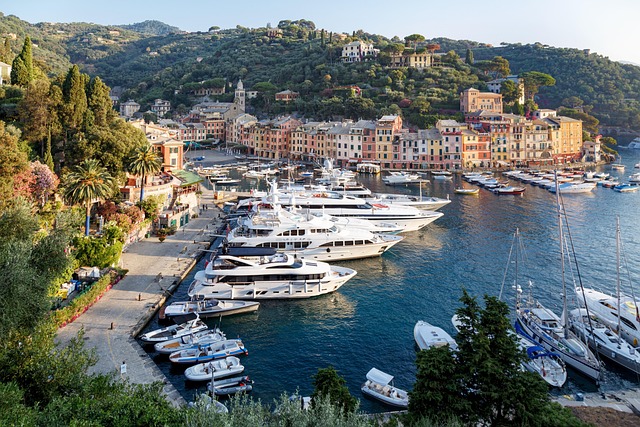
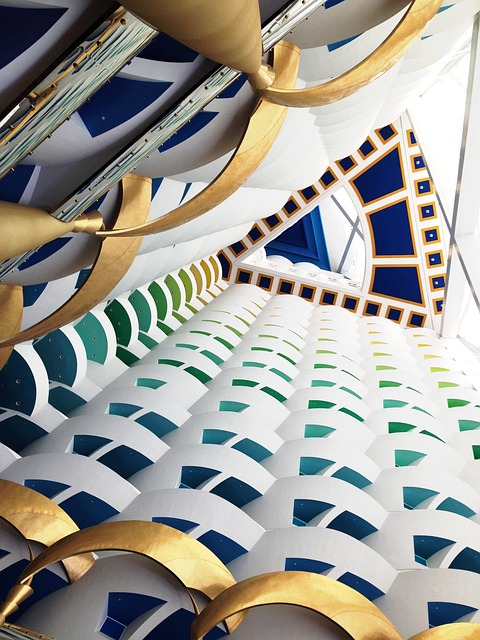
To create impactful visuals, consider employing creative techniques such as panoramic views, dramatic lighting, and unique angles to showcase properties’ best features. For example, a panoramic shot of a city skyline can transport viewers and offer a sense of place, whereas a low-angle photograph of a tree-lined street can create a sense of tranquility. Additionally, incorporating real-life scenarios and lifestyle imagery can help buyers envision themselves living in the space. By combining artistic design with a deep understanding of the target market, real estate professionals can harness the power of visual storytelling to elevate their brand and drive successful marketing campaigns.
Engaging Customers: The Power of Exclusive Branding
In today’s competitive market, real estate professionals are constantly seeking innovative strategies to engage customers and differentiate themselves. One powerful tool they can leverage is exclusive branding—a strategic approach that fosters a unique and appealing identity for their business. By creating an exclusive brand, agents and agencies can captivate their target audience and cultivate a loyal customer base. This strategy leverages the power of exclusivity to build a strong emotional connection with clients, setting them apart from competitors in a crowded industry.
Engaging customers through exclusive branding involves crafting a narrative that resonates with the desired demographic. For instance, a luxury real estate agency might position itself as a gateway to an elite lifestyle, offering not just properties but an unparalleled experience. Through sophisticated marketing campaigns, personalized services, and access to exclusive events, they create a sense of belonging among their high-net-worth clients. This strategy translates into higher customer satisfaction and retention rates. A study by Brand Channel revealed that 65% of consumers are willing to pay more for products and services from brands they perceive as exclusive.
Implementing exclusive branding requires a strategic approach tailored to the real estate niche. Agents should identify their unique selling propositions, whether it’s specialized knowledge in a specific market, an innovative marketing strategy, or exceptional client service. For example, a boutique real estate firm specializing in historic properties can position itself as experts in preserving and promoting architectural heritage. By showcasing their expertise through informative blogs, virtual tours, and exclusive listings, they attract discerning clients who appreciate the value of such specialized knowledge. Ultimately, exclusive branding transforms real estate professionals into trusted advisors, fostering long-term relationships with customers.